Back

Wiki Details
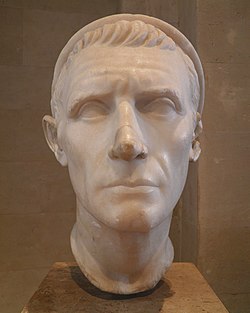 Antiochus III the Great (; Ancient Greek: Ἀντίοχος ὁ Μέγας, Antíokhos ho Mégas; c. 241 BC – 3 July 187 BC) was the sixth ruler of the Seleucid Empire, reigning from 223 BC to 187 BC.
Ascending to the throne at the age of eighteen, Antiochus inherited an empire in turmoil after the death of his brother, Seleucus III Ceraunus. While his initial campaigns against Ptolemaic Egypt ended in failure, he spent the decade that followed successfully reasserting Seleucid authority over territory such as central Asia Minor, Parthia and Bactria. Pressing as far as the Kabul valley, he renewed a friendship with the Indian king Sophagasenus and earned himself the epithet "the Great" (Antiochos Megas). He also assumed the title Basileus Megas (Greek for 'Great King'), the traditional title of the Persian kings. Upon his return to the west, Antiochus launched another campaign against the Ptolemies and brought Coele-Syria, Phoenicia and Judea under Seleucid control.
Antiochus's designs on the Greek city-states earned him the antagonism of the Roman Republic. Declaring himself the "champion of Greek freedom against Roman domination", he waged a four-year war against Rome beginning in mainland Greece in the autumn of 192 BC, advised by the exiled Carthaginian general Hannibal and supported by an alliance with the Aetolian League. He was resoundingly defeated at the battles of Thermopylae (191 BC) and Magnesia (190 BC), resulting in the loss of much of the Seleucid lands in Asia Minor to Rome's allies. Renewed rebellions ensued, and Antiochus died three years later on another expedition to the east.
Back
General info from Wikipedia.org
